Tiny House on Wheels for Sale: 2026 USA Buying Guide
Imagine waking up and knowing you could hitch your entire house to a truck and drive toward better weather, a quieter forest, or simply a new view. That kind of freedom is exactly why so many people are searching for a tiny house on wheels for sale right now. These aren’t toy houses or pure Instagram props. They’re compact, fully functional homes built on trailers, and a growing number of Americans are living in them full-time, using them as guest houses, or turning them into short-term rentals.
If you’ve been looking at tiny homes for sale, mobile tiny houses, or tiny house trailers, you’ve probably noticed how much the options have improved. Designs are smarter, finishes are better, and the price range is wide enough that both first-time buyers and more established ones can find something that fits. Here’s an honest look at what the market actually looks like in 2026, what these homes cost, where you can legally park them, and how to buy one without regrets.
What Is a Tiny House on Wheels?
A tiny house on wheels (often called a THOW) is a small dwelling—usually between 100 and 400 square feet—built on a trailer chassis. Most come with a kitchen, bathroom, sleeping area (frequently a loft), and clever storage. They’re designed to be moved, either by the owner with a heavy-duty truck or by a professional hauler.
They’re different from a typical RV. Many have better insulation, larger windows, residential-style finishes, and layouts that feel more like a small house than a camper. Some are RVIA-certified, which makes financing and insurance easier. Others are custom builds. The biggest practical advantage is mobility: a house built in Oregon can realistically sell to someone in Florida or Texas.

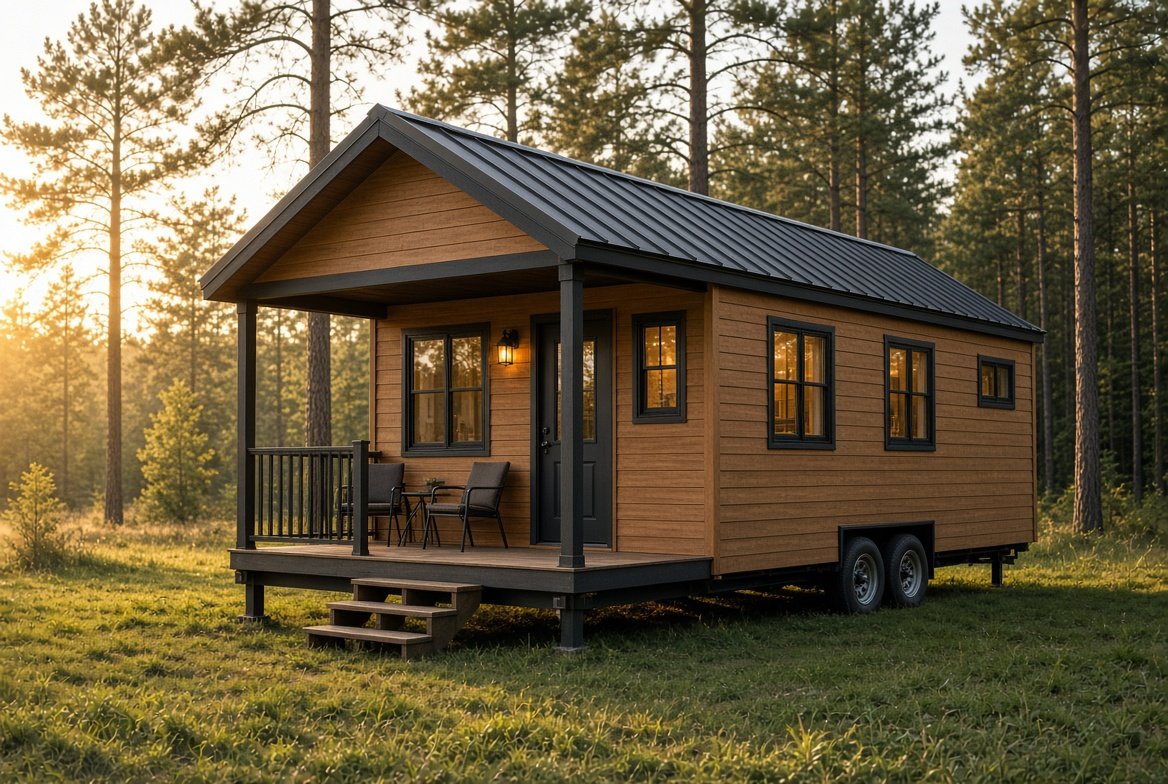
Modern tiny house on wheels with mixed siding and outdoor living space — the kind of home that regularly appears in current for-sale listings across the USA.
Why People Are Buying Them Right Now
Traditional housing still feels out of reach for a lot of people. A well-built tiny house on wheels can cost a fraction of a conventional home while giving you the option to move if your job, family situation, or preferences change. Others simply want less stuff, lower bills, and a simpler way of living.
Because these homes can travel, the buyer pool is national. That liquidity is a real advantage compared with a foundation-built tiny home. Some people also use them as accessory dwelling units (where local rules allow), guest houses, or income-producing rentals. Off-grid setups with solar and water storage remain popular too.
What Tiny Houses on Wheels Actually Cost in 2026
Prices depend on size, condition, builder quality, and features. Here’s the realistic range right now:
- Entry-level used or basic new units: roughly $25,000–$55,000
- Mid-tier builder models (most common): $55,000–$95,000
- Premium four-season homes with high-end finishes: $95,000–$170,000+
Many solid, ready-to-live-in listings currently fall between $35,000 and $75,000. Delivery usually costs $1.50–$3.00 per loaded mile plus setup fees. You’ll also want to budget for a legal place to park it, any hookups or off-grid systems, and basic site work.

Sleek modern tiny home on wheels sitting in an open field — a clean, contemporary style that many buyers are searching for.
Features That Actually Matter
The homes that sell best and feel livable long-term usually include:
- A real bathroom (flushing or composting toilet plus a proper shower)
- A functional kitchen with decent appliances
- A sleeping loft or main-floor bed
- Good insulation and a mini-split for heating and cooling
- Large windows and smart storage
- Optional off-grid packages (solar, batteries, water tanks)
Interior design has come a long way. Newer homes often feel bright and open rather than cramped.

Cozy modern interior with loft access, kitchen, and natural light — the kind of space people picture when they search for tiny homes for sale.

Bright kitchen and loft area with natural wood and white finishes — practical and inviting for everyday living.
The Legal Reality Check
This is the part many listings skip. In most of the United States, a tiny house on wheels is treated more like an RV than a permanent house. That creates real limits:
- Full-time parking in a regular residential backyard is often restricted or not allowed without special approval.
- Many places limit how long you can occupy an RV on a residential lot.
- Legal options commonly include RV parks, dedicated tiny house communities, certain rural private land, or areas with more flexible zoning.
Some states and cities have started making rules clearer, but everything is still very local. Always check with the specific county or city where you plan to park the home before you buy. What works in one place may not work a few miles away.
Financing and Insurance
Traditional mortgages almost never work for a house on wheels. Realistic options in 2026 include:
- RV loans (especially if the home is RVIA-certified) — rates often between 7–12% with 10–20 year terms
- Personal loans
- Specialty tiny home or builder financing
- Cash (still very common)
Insurance is usually an RV policy or specialized tiny home coverage rather than standard homeowners insurance. Full-time living coverage is available but costs more and has specific requirements. Certified units are generally easier to finance and insure.
How to Buy Without Regrets
- Confirm a legal place to park it first.
- Prefer units with clear certification if you need financing or insurance.
- Look at current listings on specialized tiny home marketplaces.
- Calculate the total cost, including delivery, setup, and any site work.
- Ask about title, weight, height, and towing requirements.
- Request a video tour or in-person visit when possible.
Many sellers now help arrange delivery or professional transport.
Who This Lifestyle Actually Fits
It works well for people who want lower housing costs, flexibility, and less maintenance. It tends to be harder for larger families or anyone who needs a lot of space and conventional real-estate financing. The mobility is a genuine plus for some and a restriction for others — it depends on how you want to live.
Frequently Asked Questions
How much does a tiny house on wheels cost in the USA?
Most usable ones currently sell between $30,000 and $100,000, with many well-equipped options in the $50,000–$75,000 range.
Can I live in a tiny house on wheels full-time?
Yes, where local rules allow it. Common legal setups include tiny house communities, certain rural private land, and RV parks that permit long-term stays.
Is it hard to finance a tiny house on wheels?
Harder than a conventional house, but possible through RV loans and specialty lenders, especially for certified units.
Do I need to own land?
You need a legal place to park it. That can be owned land, rented land, or a community.
Final Thoughts
A tiny house on wheels for sale can be a practical way to own a home with more flexibility than a traditional house. The 2026 market is active, the homes themselves have gotten better designed, and prices remain relatively accessible compared with regular real estate. The biggest variables are where you’ll legally park it and whether the specific home matches your actual lifestyle and budget.
If you’re seriously considering one, start by checking zoning in the area that matters to you, then browse current listings with a clear idea of size, features, and total cost. Plenty of people are already living this way successfully. The right match is usually out there if you approach the search with realistic expectations.
Leave a Reply